Blog
Thoughts & Insights
Writings on software development, AI/ML, and engineering best practices.
Pinned
All Posts
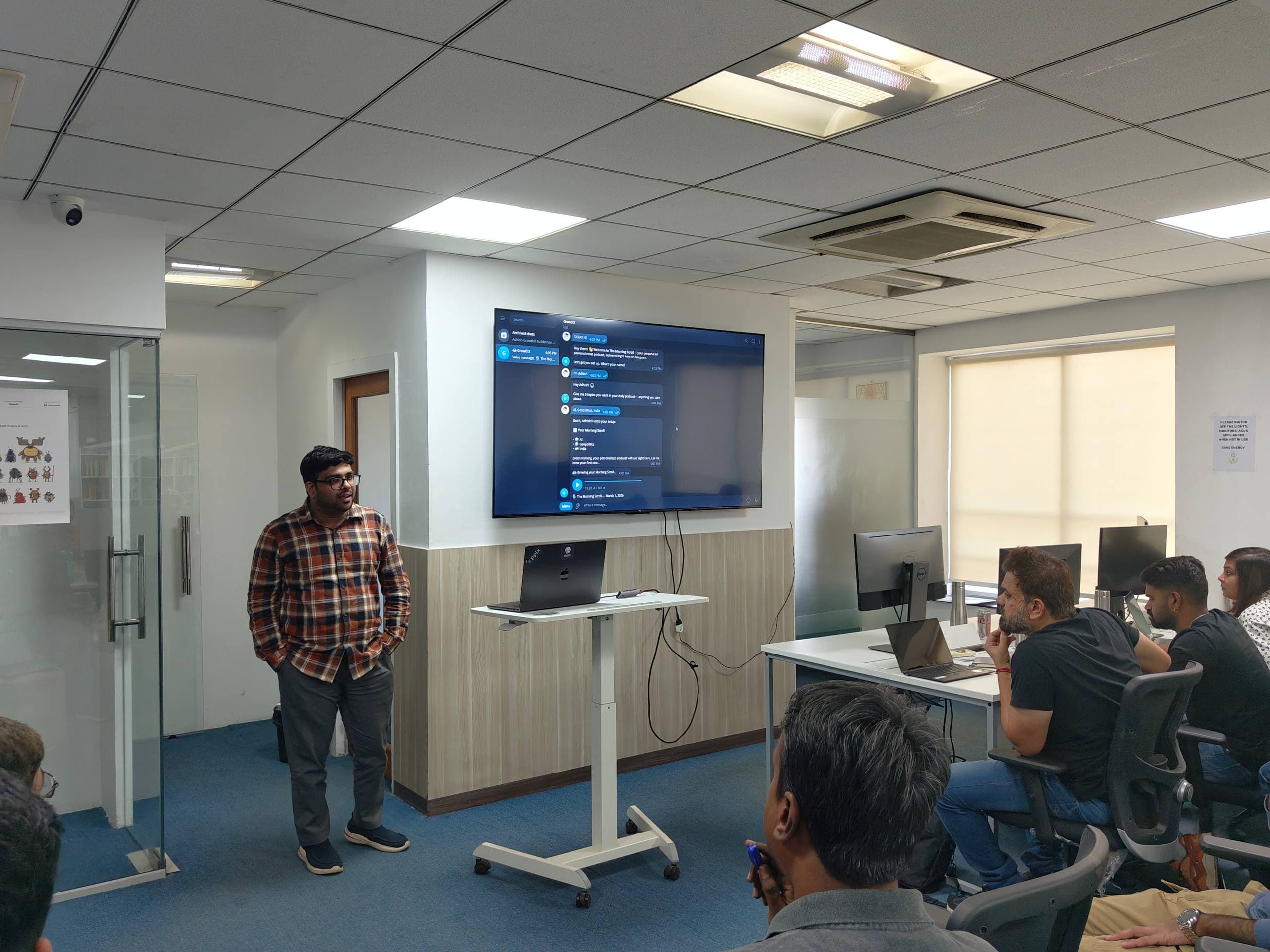
I Built a Personalized AI News Podcast in 6 Hours
India's first OpenClaw Buildathon. 25 builders, 6 hours, one rule: build something real and demo it. I built The Morning Scroll, a two-voice AI news podcast that shows up in Telegram every morning.
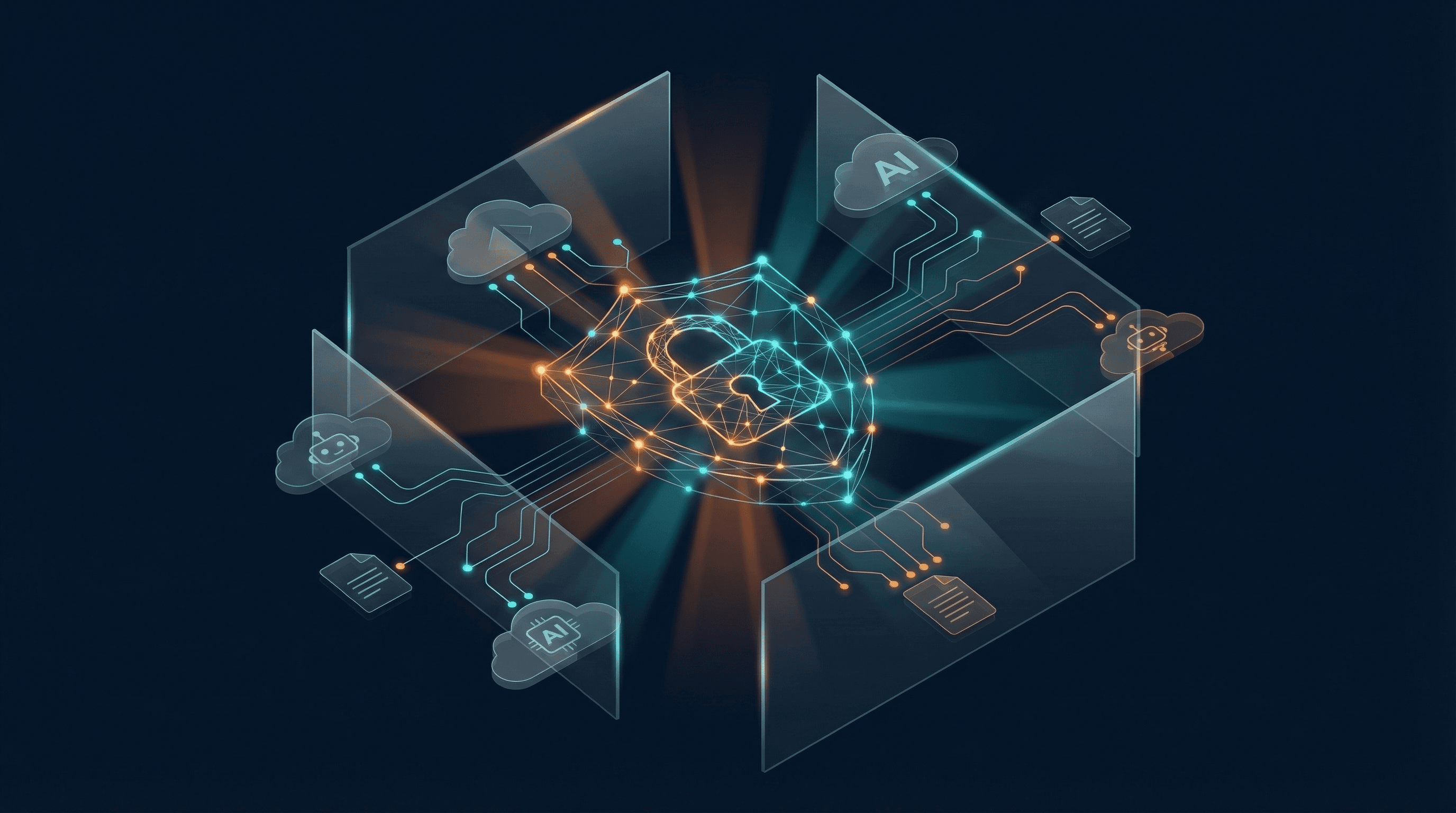
Securing Agent Access to Proof SDK Behind Cloud Run + IAP
AI agents can write documents, but they can't authenticate through enterprise zero-trust layers. I contributed trusted proxy email auth to the open-source Proof SDK so agents can create and collaborate on documents behind Google Cloud IAP.

My Agent Remembers Better Than I Do (Part 2)
Two weeks ago I built a memory system for my OpenClaw agent. It worked. Then it broke in ways I didn't expect. Here's what I rebuilt: hybrid search with MMR, pre-compaction memory flush, workspace governance, and a 5-layer persistence stack that survives crashes.
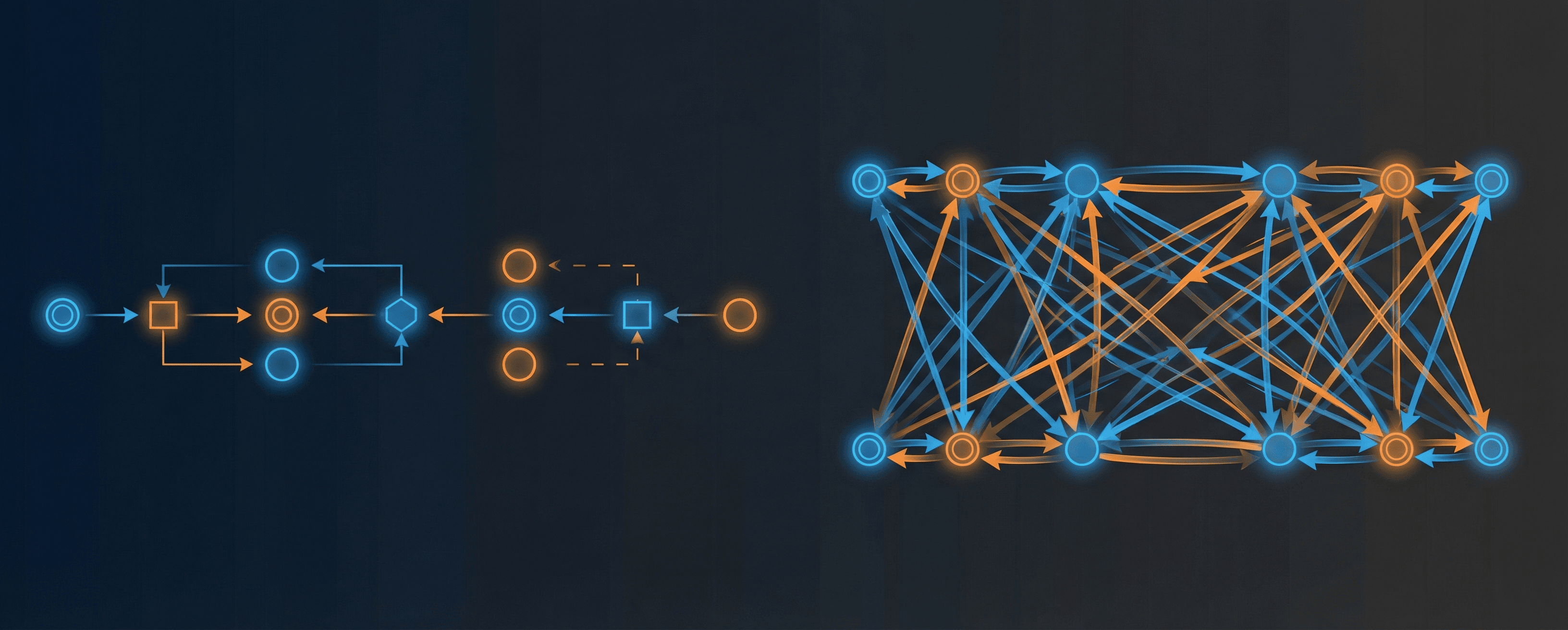
I Built a Demo for the Dumbest Smart Trick in LLMs
A Google Research paper found that simply repeating the input prompt verbatim improves LLM accuracy across 47 of 70 model-benchmark combinations, with zero latency cost. The mechanism is a causal attention quirk that's been hiding in plain sight. I built an interactive demo so you can test it against real APIs.
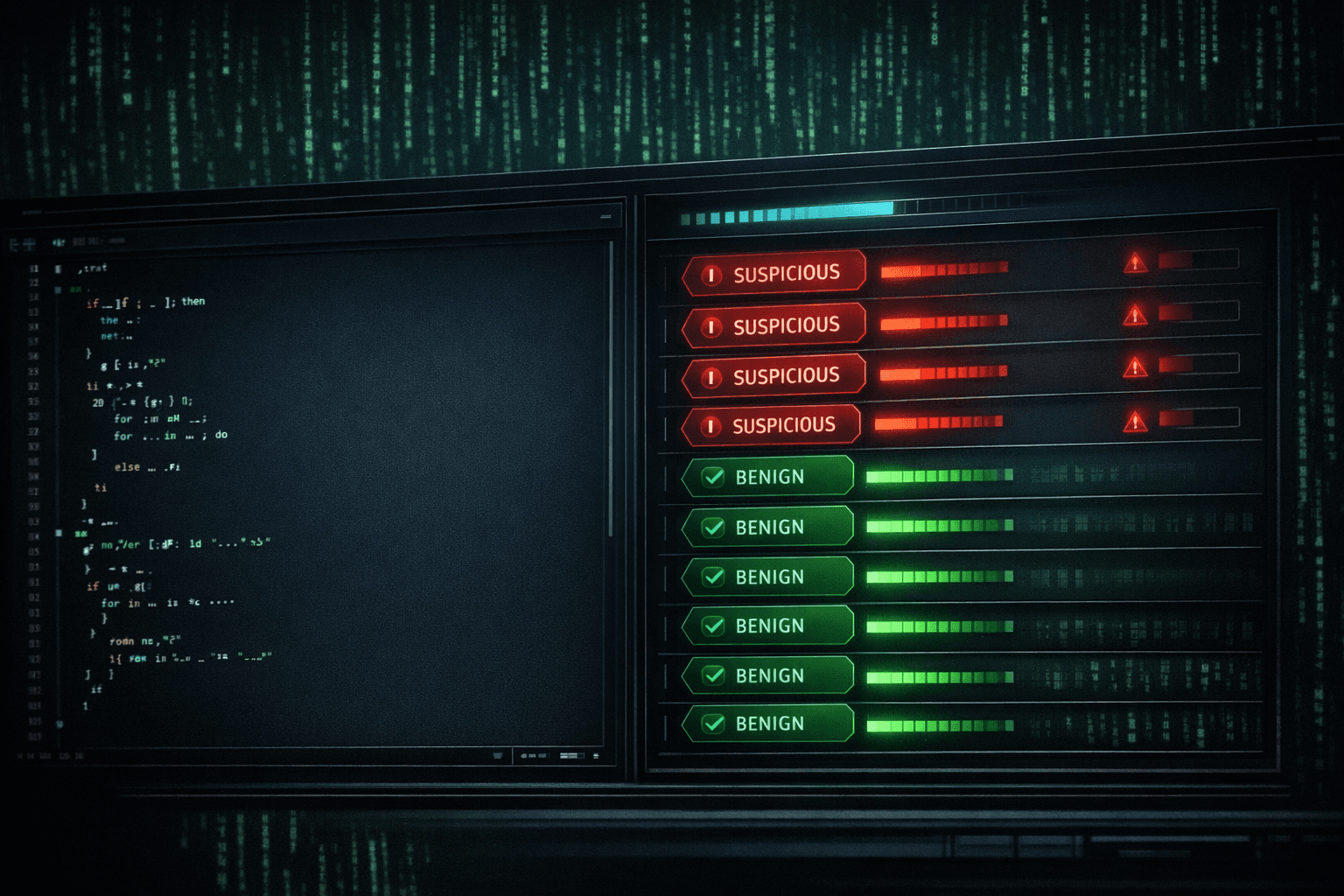
6 Versions, 1 Shell Injection, and a Green Checkmark on ClawHub
I published my first skill to ClawHub. It took 6 iterations to go from Suspicious to Benign. Along the way I found a metadata parser bug, a real shell injection vulnerability, and learned what trust looks like in AI agent marketplaces.
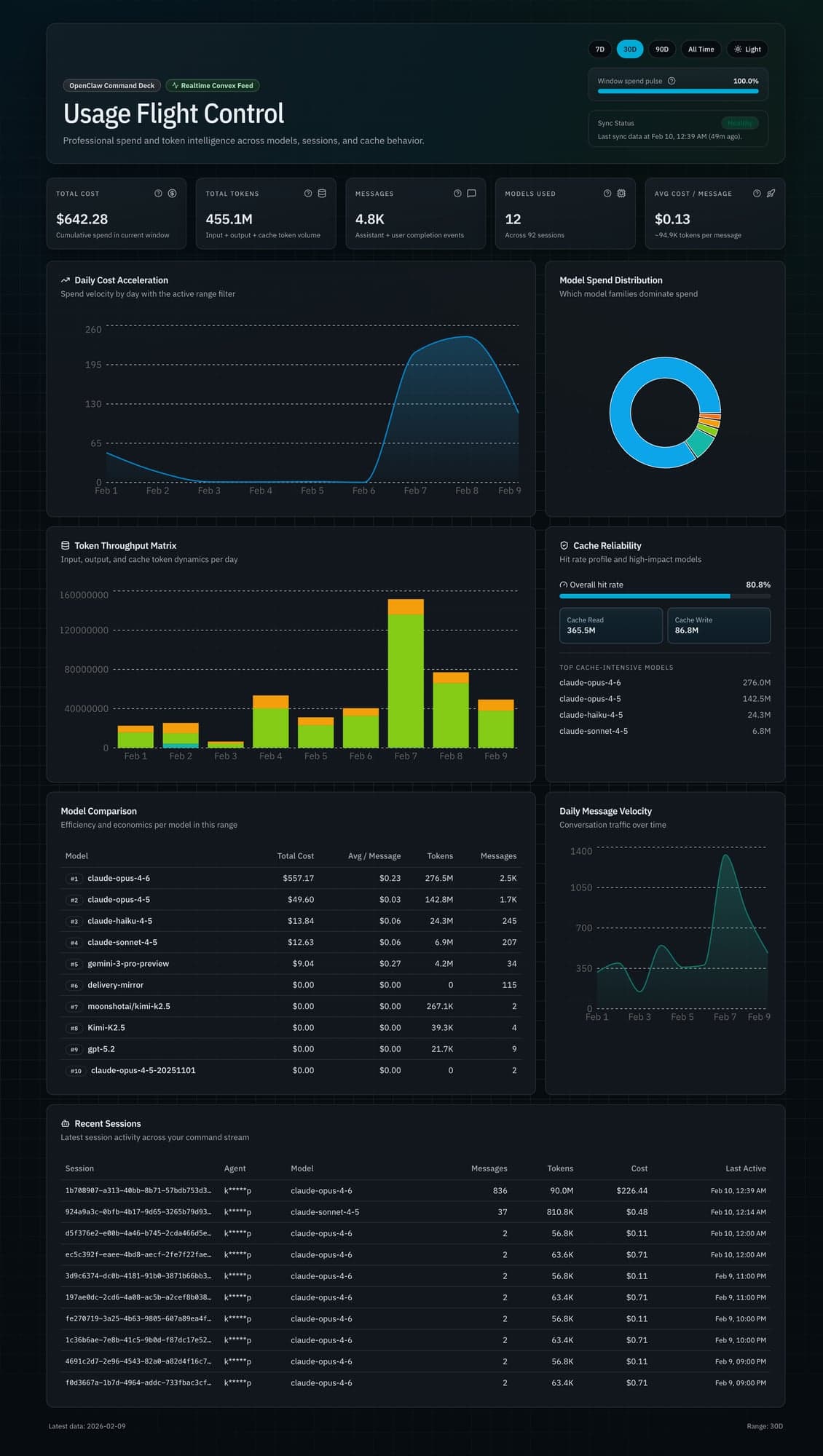
$650 Later: Building a Dashboard to See Where the Tokens Go
457 million tokens. 4,834 API calls. $650 in costs I didn't see coming. I built Observatory to track every token OpenClaw burns, in real time, with Convex and Recharts.
I Let OpenClaw Migrate Its Own Secrets to Bitwarden
21 API keys sitting in plaintext JSON. One stolen config file away from disaster. 30 minutes later, every secret lives in Bitwarden Secrets Manager with macOS Keychain-backed access.

How I Taught My OpenClaw Agent to Never Repeat a Mistake
OpenClaw gives your AI agent a workspace with memory files. I took that foundation and built a continual learning system on top — an auto-capture error log, local search with QMD, and heartbeat-driven memory maintenance. Here's how it compounds.
convex-jina: Accepted into the Official Convex Components Directory
convex-jina wraps Jina AI's Reader and Search APIs for Convex apps, with durable caching, reactive queries, and clean web content extraction. Now live in the official Convex Components directory.
India Economic Intelligence: Three Apps Built on Government Open Data
Built three open-source tools for Indian economic data - a macro dashboard, an employment tracker with choropleth maps, and an AI agent that answers questions about the economy. All powered by MoSPI's MCP server.
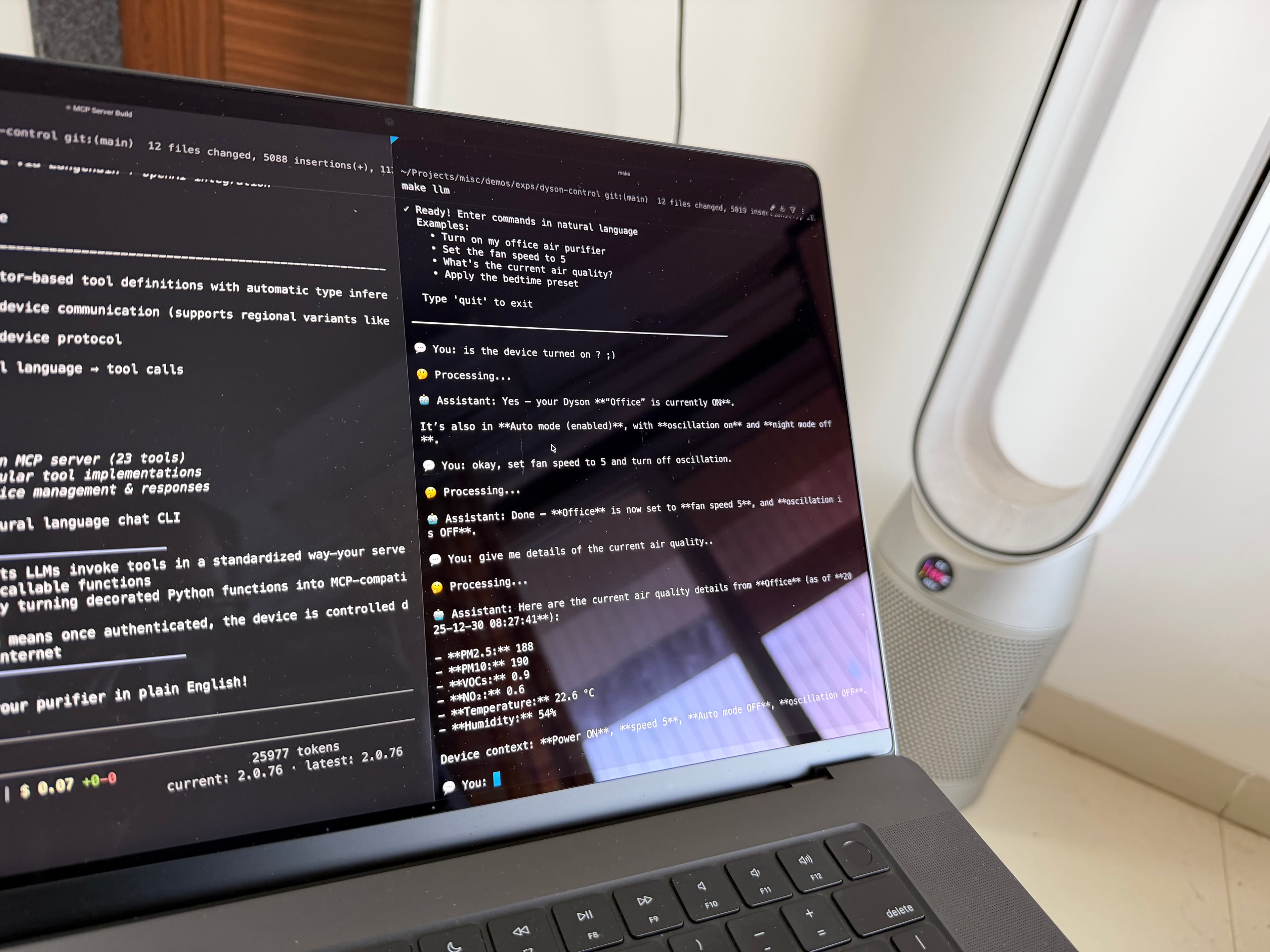
Local-First AI Control: Claude Code now controls my Dyson
Built an MCP server that lets me tell Claude 'make the air quieter' and it just works. Turns out teaching LLMs to speak MQTT is way more interesting than I expected.
I Asked for a Tip Calculator. Claude Asked Me 27 Questions First.
What started as a simple web app turned into a 20-minute interview about penny reconciliation, paste chaos, and wedding bills. Then Claude built and deployed it to production in 30 minutes total.
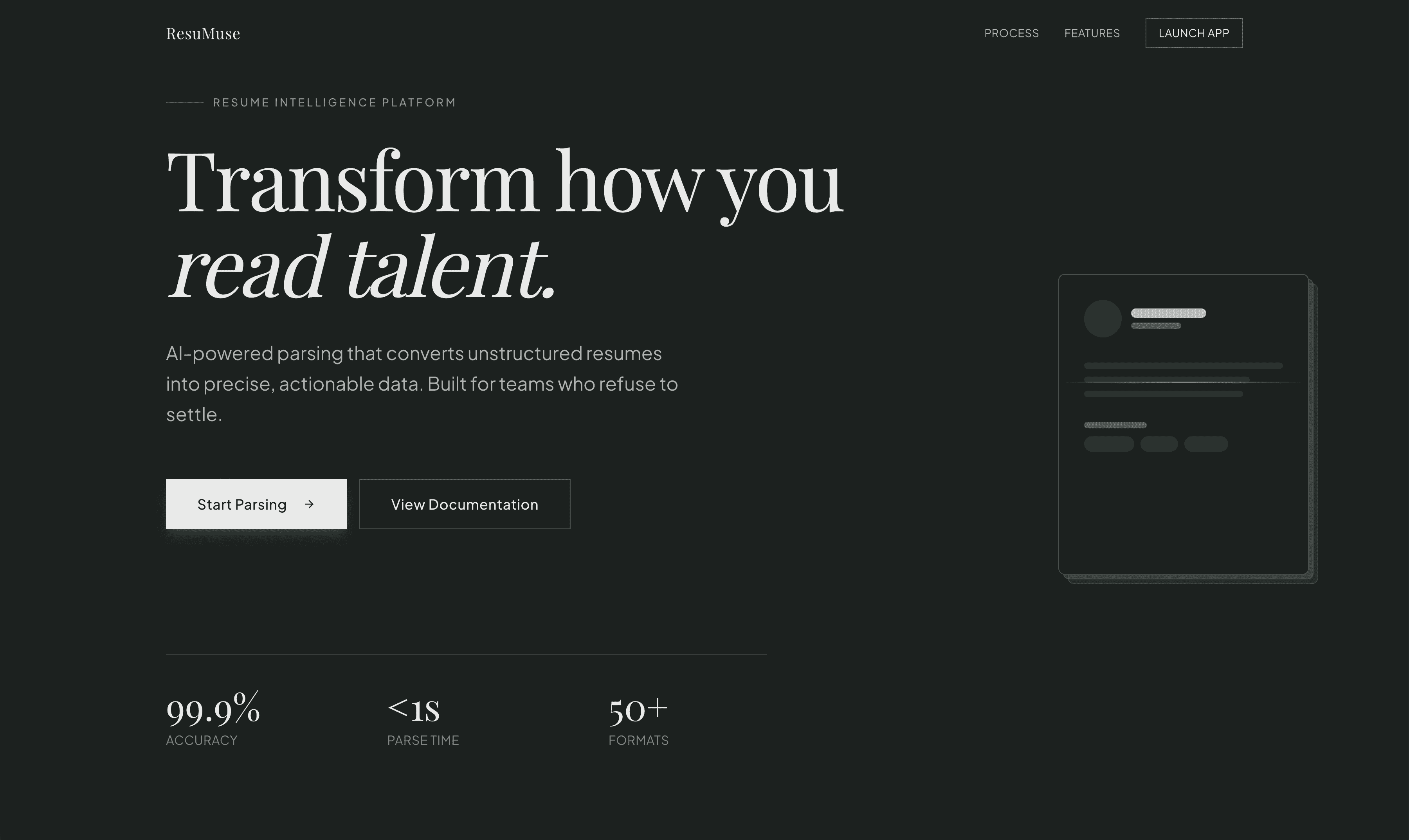
ResuMuse: Because Recruiters Deserve Better Than Keyword-Searching PDFs
I vibe coded a recruitment intelligence platform over a long weekend. AI-powered resume parsing, prompt injection detection, and a proper authentication system. It's everything I wish existed when I was job hunting.
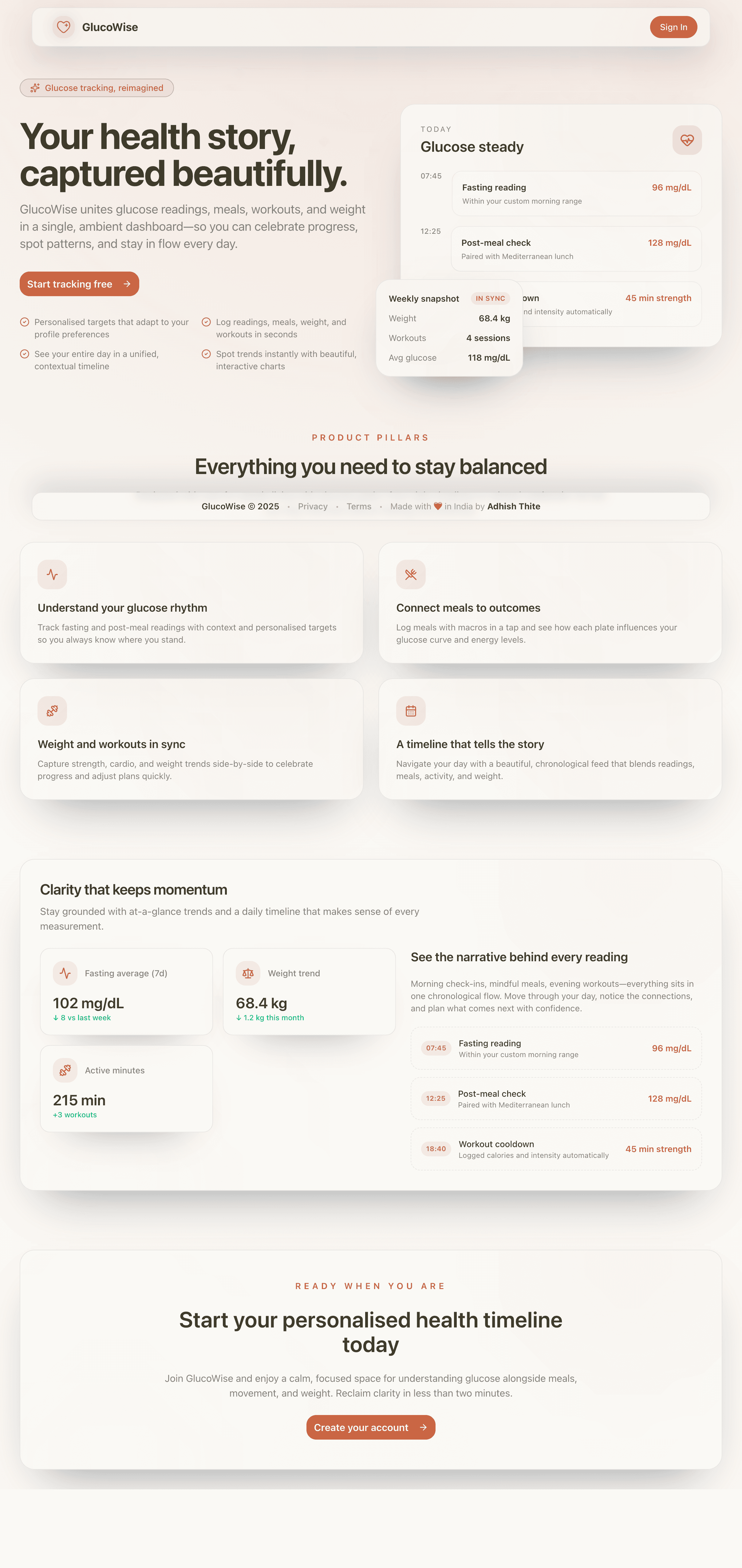
GlucoWise: When a Blood Report Scares You Into Building a Full-Stack App
I got scared by my blood reports and decided to track my glucose, weight, meals, and workouts. Existing apps didn't cut it, so I built my own with Convex, Next.js, and way too much attention to detail.
ocloc: My First Rust Project (And It's 23x Faster Than cloc)
I built a blazingly fast lines-of-code counter in Rust. It's my first Rust project, it's on Homebrew and Cargo, and it absolutely smokes cloc.
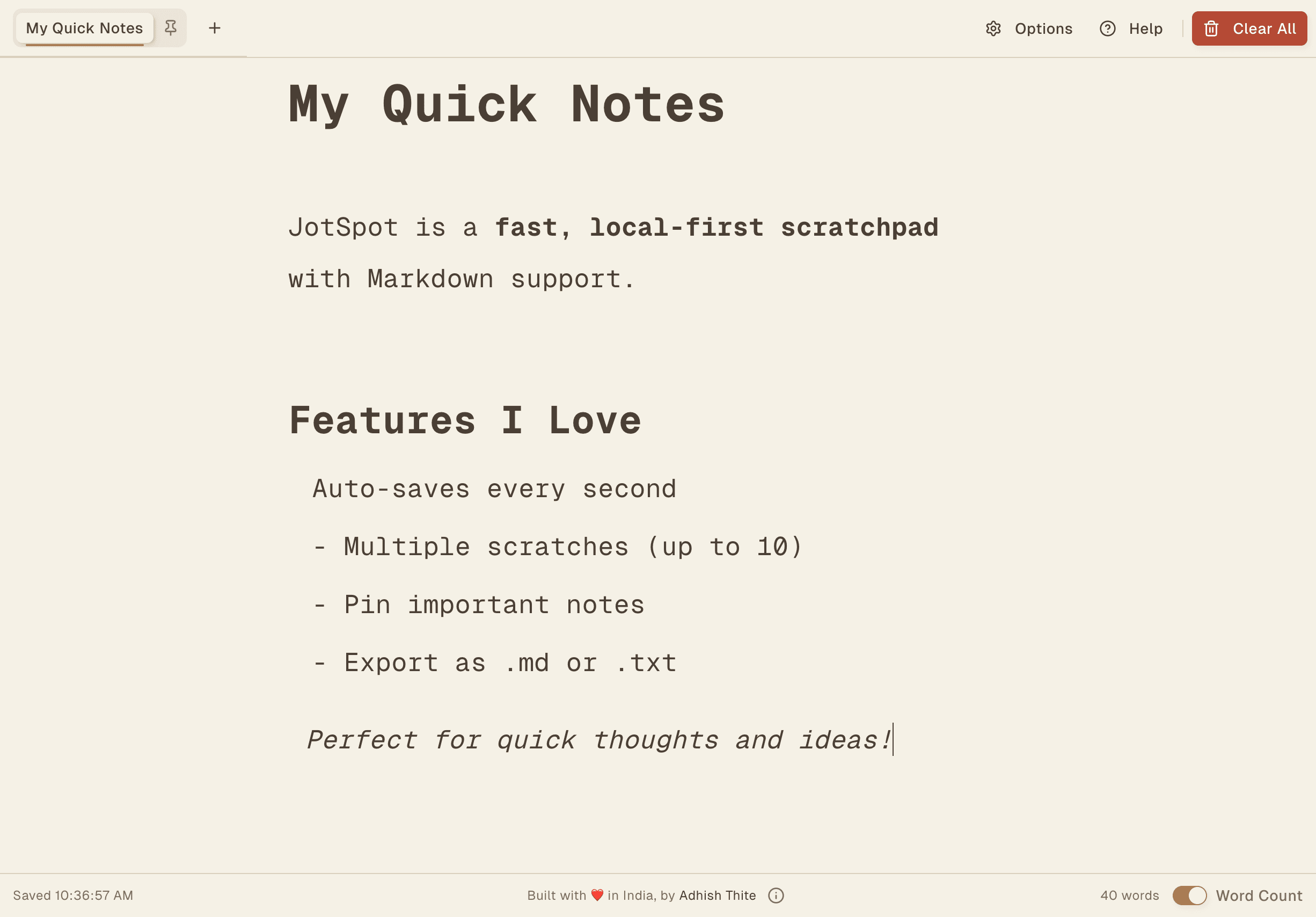
JotSpot: A Scratchpad That Actually Gets Out of Your Way
I built a fast, local-first Markdown scratchpad. No accounts, no cloud, no nonsense. Just open it and start typing.
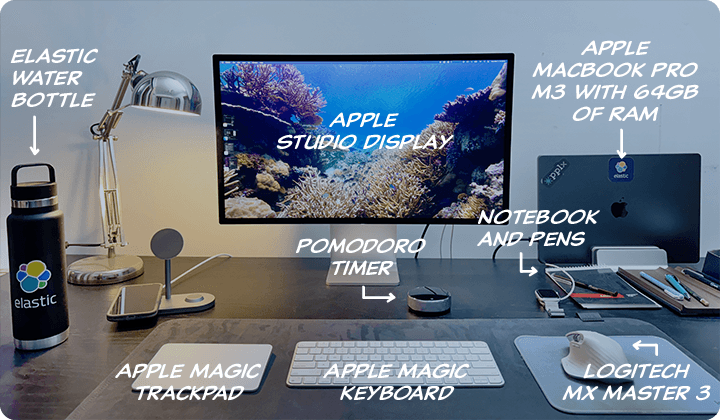
Featured in Elastic's Top Down Series
I got to be the first feature in Elastic's new 'Top Down' series — a look into the workspaces and minds of Elasticians.
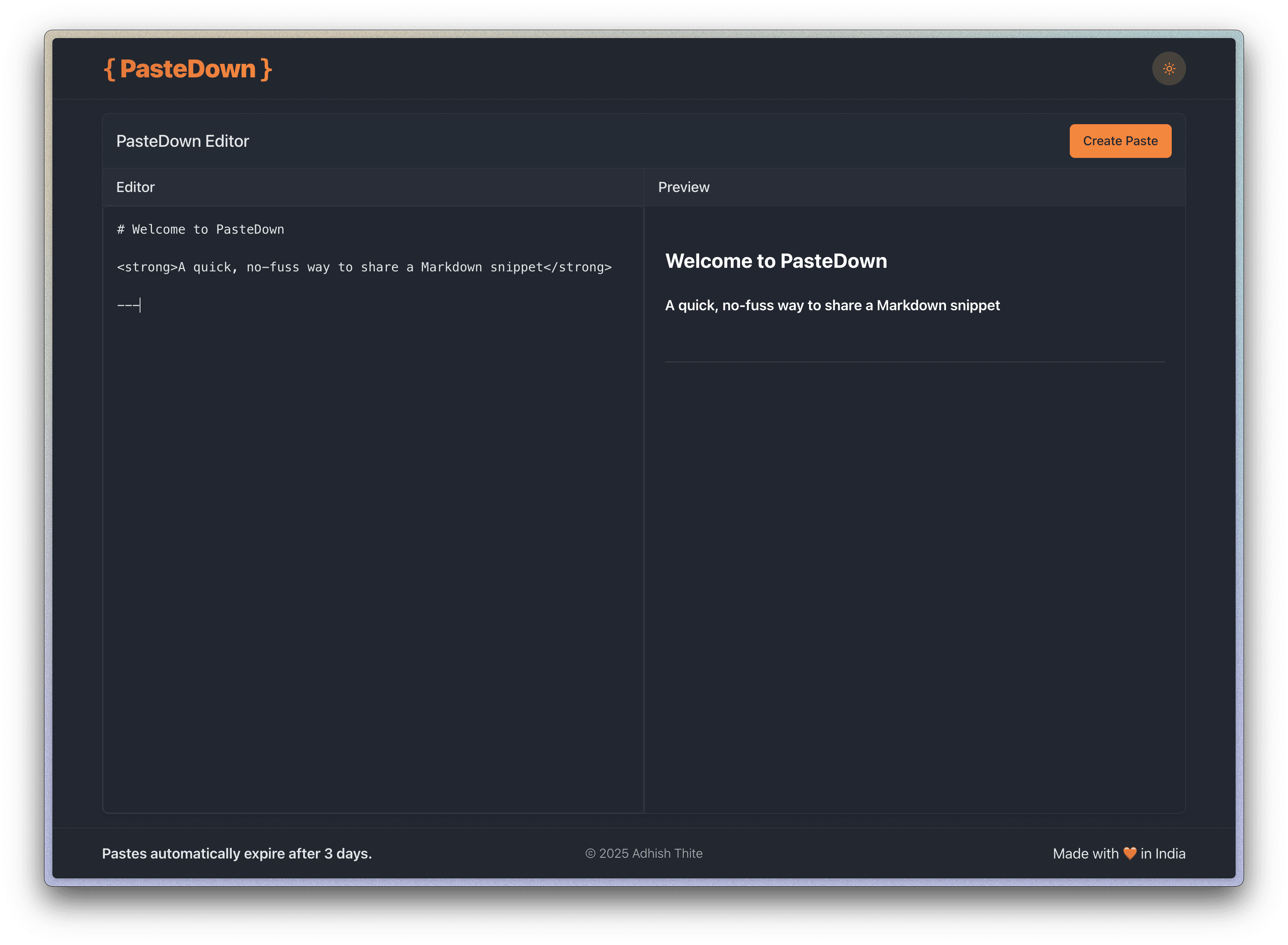
Introducing Pastedown.space
Discover Pastedown.space—a minimalist Markdown pastebin that expires in 3 days, built for developers and LLM enthusiasts.
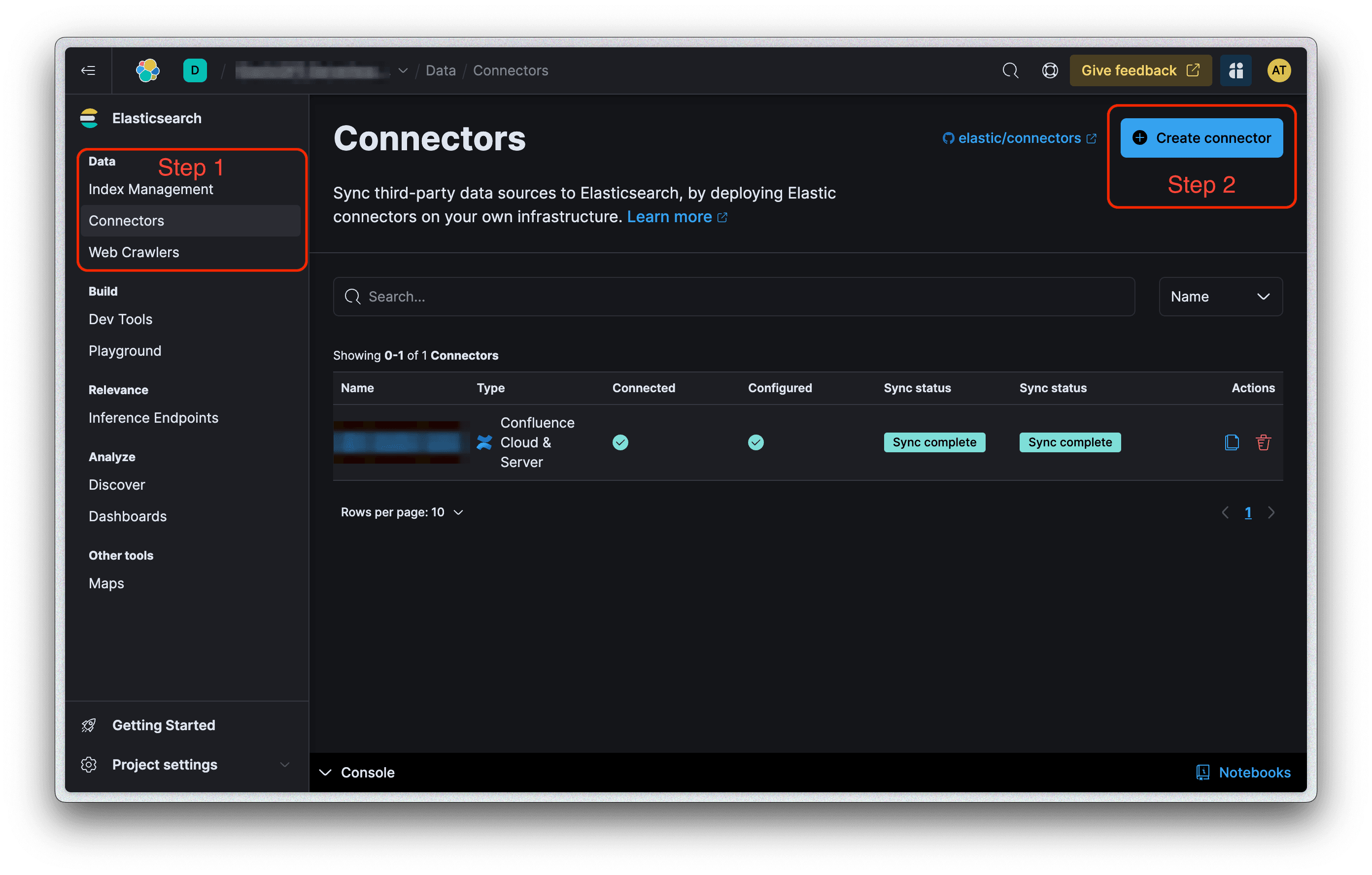
Setting Up the Elastic Connector Locally via Docker
A step-by-step guide to configuring the Elastic Connector for Confluence locally using Docker.